|
| Family 22 (mtDNA L3a1a) |
|
| Family 22 (mtDNA L3a1a) |
Profiles 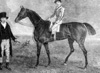 Brocard 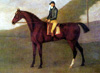 Creeper
|
BELGRADE TURK MARE
(Belgrade Turk) Bay Bolton Mare (Bay Bolton) Bartlet's Childers Mare (Bartlet's Childers) Flora (Regulus) Harriet (Matchem) Miss Green (Highflyer) Canary (Coriander) Canary Bird (Sorcerer) Quadrille (Selim) | Cotillon (Partisan) | Laelia (Sheet Anchor) | Caprice (Coronation) | Tawney (Ivan) | Madeline (Plum Pudding) | Hollyleaf (Hollywood) | STELLA (Necromancer) ..... 22-a Varennes (Selim) | Brocard (Whalebone) | Corumba (Filho Da Puta) | Zuleika (Muley Moloch) | Ladylike (Newminster) | GRAND DUCHESS (Lozenge) ..... 22-d Pioneer Mare (Pioneer) ECHO (Emilius) ..... 22-b Venus (Sir Hercules) MRS. QUICKLY (Longbow) ..... 22-c |
|
| BELGRADE TURK MARE
(GB) f 1725c Belgrade Turk Bay Bolton Mare (GB) f 1730c Bay Bolton (GB) Bartlet's Childers Mare (GB) f 1740c Bartlet's Childers (GB) Flora (GB) b f 1752c Regulus (GB) Florella (GB) b f 1760 Godolphin Colt (GB) | Flounce (GB) b f 1767 Sampson (GB) | NOTTINGHAM (GB) br c 1776 Tantrum (GB) ..... GB QP Harriet (GB) b f 1769 Matchem (GB) Mrs. Jordan (GB) b f 1784 Highflyer (GB) | Comedy (GB) b f 1804 Beningbrough (GB) | | Charming Molly (GB) b f 1813 Rubens (GB) | | Shakespeare (GB) br c 1823 Smolensko (GB) | Olivia Jordan (GB) b f 1807 Sir Oliver (GB) | LISTON (GB) b c 1821 Ambo (GB) CREEPER (GB) b c 1786 Tandem (GB) Miss Green (GB) b f 1787 Highflyer (GB) | Greyhound (GB) b c 1794 Sweetbriar (GB) | Canary (GB) b f 1797 Coriander (GB) | Canary Bird (GB) b f 1806 Whiskey (GB) or Sorcerer (GB) | Quadrille (GB) b f 1815 Selim (GB) | | Katherine (GB) ch f 1821 Soothsayer (GB) | | | Taurus (GB) ch c 1826 Phantom (GB) or Morisco (GB) | | | TARANTELLA (GB) ch f 1830 Tramp (GB) ..... GB 1G | | | | The Miser Scarve (GB) b c 1841 Economist (GB) | | | | Polka (GB) b f 1843 Emilius (GB) | | | | | Morning Star (IRE) ch f 1864 Frank (GB) or Handsome Jack (GB) | | | | | Star Of The North (GB) ch f 1872 Breadalbane (GB) | | | | | Guiding Star (IRE) br f 1884 Glen Arthur (GB) | | | | | | Evening Star (IRE) br f 1891 Alban (GB) | | | | | | Sky High (IRE) br f 1904 Amphidamus (GB) | | | | | | Skypress (IRE) br f 1916 Oppressor (IRE) | | | | | | Arctic Star (IRE) br c 1924 Achtoi (GB) | | | | | Geology (IRE) b f 1886 Geologist (GB) | | | | | Lady Shamrock (IRE) br f 1898 Buckingham (GB) | | | | | Ulster Queen (GB) ch f 1911 Cicero (GB) | | | | | Princesse D'Orby (GB) f 1922 Golden Orb (GB) | | | | | Ortolan (FR) b c 1931 Master Good (FR) | | | | Tarella (GB) b f 1844 Emilius (GB) | | | | | Matilda (GB) b f 1863 Orlando (GB) | | | | | Tarella (GB) br f 1882 Cathedral (GB) | | | | | Rosmarine (IRE) br f 1886 Rosicrucian (GB) | | | | | Irish Sea (IRE) br f 1903 Blairfinde (IRE) | | | | | Sea Lavender (GB) b f 1909 Laveno (GB) | | | | | Aquamarine (GB) bl f 1915 Aquascutum (GB) | | | | | | Con Amore (POL) br f 1926 Balthazar (IRE) | | | | | | COLT (POL) b c 1936 Bafur (GER) ..... POL D | | | | | Green Sea (GB) b f 1917 Irish Marine (IRE) | | | | | George Sand (BEL) br f 1927 George Lowe (IRE) | | | | | Golette (BEL) bl f 1934 Flamant (FR) | | | | | CENT SEIZE (BEL) br c 1940 Beumont (BEL) ..... BEL D | | | | GAMBETTI (FR) b c 1845 Emilius (GB) ..... FR G D | | | | AMALFI (FR) ch c 1848 Gladiator (GB) or Young Emilius (GB) ..... FR D | | | Viator (GB) gr c 1831 Stumps (GB) | | | Romaike (GB) ch f 1836 Rowton (GB) | | | | Deiopeia (GB) ch f 1845 Defence (GB) | | | | Canace (GB) b f 1860 King Tom (GB) | | | | SISTER TO VITAN (AH) b f 1870 Buccaneer (GB) ..... AUT D | | | | Vitan (AH) ch f 1876 Buccaneer (GB) | | | | SOLL ICH (GER) ch f 1884 Chamant (FR) ..... HUN O | | | | Willich (AH) b c 1886 Przedswit (GER) | | | Sequidilla (GB) b f 1838 Sheet Anchor (GB) | | | Fandango (GB) br f 1845 Touchstone (GB) | | | Salamander (GER) b c 1864 Rataplan (GB) | | Louisa (GB) b f 1823 Orville (GB) | | | Muff (GB) ch f 1841 Velocipede (GB) | | | Muffatee (GB) ch f 1847 Jereed (GB) | | | Comforter (GB) ch c 1856 Stockwell (GB) | | Pauline (GB) b f 1826 Moses (GB) | | | GLADIATOR (GB) ch c 1833 Partisan (GB) | | Cotillon (GB) b f 1831 Partisan (GB) | | | Laelia (GB) gr f 1842 Sheet Anchor (GB) | | | Caprice (IRE) gr f 1847 Coronation (GB) | | | Frailty (IRE) gr f 1855 Knight Of The Whistle (GB) | | | | BILLY PITT (IRE) br c 1867 Plum Pudding (IRE) ..... IRE D | | | TAWNEY (IRE) br f 1859 Ivan (GB) ..... continued below | | Constance (GB) b f 1835 Partisan (GB) | | CATHERINE HAYES (GB) br f 1850 Lanercost (GB) ..... GB O | | Cantata (GB) b f 1862 Wild Dayrell (GB) | | | HYMENAEUS (GB) b c 1869 Lord Clifden (GB) ..... GER D | | | ZWIETRACHT (GER) br f 1870 Camerino (GB) ..... GER 2G O | | Belladrum (GB) br c 1866 Stockwell (GB) | | Albani (GB) b f 1870 Thormanby (GB) | | Folle Avoine (FR) br f 1875 Favonius (GB) | | Fripon (FR) b c 1883 Consul (FR) | Varennes (GB) b f 1818 Selim (GB) | | BROCARD (GB) b f 1824 Whalebone (GB) | | | Corumba (GB) b f 1832 Filho Da Puta (GB) | | | | Lady Ishmael (GB) b f 1836 Ishmael (GB) | | | | | Hartneitstein (GER) b c 1846 Sir Hercules (IRE) | | | | | Lucia (GER) ch f 1848 Elis (GB) | | | | | FULLSAIL (GER) br f 1859 Sheet Anchor (GB) ..... GER O | | | | | VASCO DE GAMA (GER) b c 1867 Palestro (FR) ..... GER 2G | | | | Zuleika (GB) br f 1843 Muley Moloch (GB) | | | | Ladylike (GB) br f 1858 Newminster (GB) | | | | Birthright (GB) br f 1869 Ben Webster (GB) | | | | | Rosicrucian Mare (GB) b f 1886 Rosicrucian (GB) | | | | | Vernal (GB) b f 1890 Springfield (GB) | | | | | Fenaison (FR) ch f 1907 Florizel (GB) | | | | | Hay-Cock (FR) ch c 1915 Sly-Fox (FR) | | | | GRAND DUCHESS (GB) b f 1871 Lozenge (GB) ..... 22-d | | | | Rosebery (GB) b c 1872 Speculum (GB) | | | Concertina (GB) ch f 1838 Actaeon (GB) | | | | Musician (GB) b c 1847 Lanercost (GB) | | | Gorhambury (GB) b c 1840 Buzzard (GB) | | Duvernay (GB) ch f 1834 Emilius (GB) | | | Robert De Goreham (GB) br c 1839 Sir Hercules (IRE) | | | William The Conqueror (GB) b c 1847 Touchstone (GB) | | | Mandricardo (GB) ch c 1851 Orlando (GB) | | D'Egville (GB) ch c 1835 The Colonel (GB) | Pioneer Mare (GB) ch f 1820 Scud (GB) or Pioneer (GB) | ECHO (GB) b f 1828 Emilius (GB) ..... 22-b Sister To Speculator (GB) b f 1793 Diomed (GB) Rosabella (GB) b f 1803 Whiskey (GB) RHODA (GB) b f 1813 Asparagus (GB) ..... GB 1G Piscator (GB) b c 1814 Walton (GB) |
||
| TAWNEY (IRE) br f 1859 Ivan
(GB) ..... continued Madeline (IRE) b f 1870 Plum Pudding (IRE) | Hollyleaf (IRE) b f 1879 Hollywood (GB) | | Gipsy (IRE) b f 1884 Astrologer (GB) | | | Kilsallaghan (IRE) br c 1890 Brown Prince (USA) | | STELLA (IRE) br f 1890 Necromancer (GB) ..... 22-a | Boulevard (IRE) br c 1880 Uncas (GB) | Madame Royale (IRE) ch f 1887 Uncas (GB) | Madame Kendal (IRE) b f 1892 Kendal (GB) | | Wildfowl (GB) ch f 1900 Gallinule (GB) | | Wild Lassie (GB) ch f 1908 Marco (GB) | | | The Moonstone (GB) ch f 1915 St. Amant (GB) | | | Autumn Fire (GB) ch f 1924 Irishman (IRE) | | | Misfire (GB) b f 1937 Royal Dancer (GB) | | | Hais b f 1954 Calster (FR) | | | EROS (SPA) b c 1963 Goyaz (FR) ..... SPA 2G | | Stephie (IRE) ch f 1913 Tredennis (GB) | | Lowstep (IRE) ch f 1920 Lomond (GB) | | | Luna Park (IRE) ch f 1929 Allenby (GB) | | | LAFCADIO (ITY) ch c 1936 Apelle (ITY) ..... ITY SL | | St. Stephanie (GB) br f 1925 Friar Marcus (GB) | | | Narina (GB) bl f 1936 Norwest (GB) | | | Dusky Slipper (GB) br f 1948 His Slipper (IRE) | | | | Sayaslipper (GB) b f 1960 Sayajirao (GB) | | | | Semislipper (IRE) b f 1967 Seminole (USA) | | | | Claire's Slipper (IRE) b f 1974 Welsh Saint (IRE) | | | | Double Bed (FR) bbr c 1983 Be My Guest (USA) | | | DIAMOND SLIPPER (GB) br c 1952 His Slipper (IRE) ..... IRE SL | | Stephenson (GB) br f 1928 Son-In-Law (GB) | | Mabrouka (GB) gr f 1938 Mahmoud (FR) | | Three Rock (GB) gr f 1943 His Highness (GB) | | Thetis (GB) ch f 1957 Guersant (FR) | | Green God (IRE) ch c 1968 Red God (USA) | Helen's Bay (IRE) br f 1893 Hollywood (GB) | | Helen Blair (IRE) b f 1903 Blairfinde (IRE) | | Helenagain (GB) b f 1922 Cylgad (GB) | | Asahagi (JPN) b f 1929 Tournesol (GB) | | Picroll (JPN) br f 1937 Diolite (GB) | | Asahagi (JPN) b f 1949 Minami Homare (JPN) | | Kencho (JPN) b f 1958 Vino Puro (ARG) | | Sun Puro (JPN) bbr f 1964 Si Furieux (GB) | | PRESS TOKO (JPN) gr c 1974 Gustav (GB) ..... JPN SL | Kendal Royal (IRE) ch c 1894 Kendal (GB) SOULOUQUE (IRE) b c 1876 Roman Bee (IRE) ..... IRE D Sienna (IRE) b f 1880 Umpire (IRE) Tosca (IRE) b f 1893 Kendal (GB) Gherarda (IRE) br f 1903 Desmond (GB) Nesta (IRE) br f 1909 Fariman (IRE) Little Flutter (GB) br f 1925 Happy Warrior (GB) or Flying Orb (IRE) Straight Sequence (GB) ch f 1929 Stratford (GB) | Poker Chip (GB) ch f 1937 The Recorder (GB) | | QUEENPOT (GB) br f 1945 Big Game (IRE) ..... GB 1G | | | Jellatina (IRE) b f 1966 Fortino (FR) | | | Northjet (IRE) ch c 1977 Northfields (USA) | | Wat Tyler (GB) ch c 1946 Watling Street (GB) | | Quarterdeck (GB) b f 1947 Nearco (ITY) | | Alcazar (FR) ch f 1957 Alycidon (GB) | | | Petingo (GB) b c 1965 Petition (GB) | | AMBERGRIS (FR) ch f 1958 Sicambre (FR) ..... IRE O | | | Istiea (IRE) ch f 1970 Sir Ivor (USA) | | | Special Meeting (IRE) ch f 1986 Persian Bold (IRE) | | | Tamara Red (IRE) ch f 1999 Mukaddamah (USA) | | | RACING LADY (SWE) b f 2008 Academy Award (IRE) ..... SWE 1G | | Quail (FR) ch f 1961 Hill Gail (USA) | | Trail (IRE) ch f 1976 Thatch (USA) | | Chenya (IRE) b f 1985 Beldale Flutter (USA) | | HARISHON (IRE) b c 1996 Waajib (IRE) ..... SWI SL | KHOSRO (GB) b c 1938 Sir Cosmo (IRE) ..... IRE 2G | Petrovna (GB) ch f 1942 Blue Peter (GB) | Flutter-By (GB) ch f 1948 Flyon (GB) | | Another Flutter (GB) ch f 1966 Credo (GB) | | Have A Flutter (IRE) b f 1981 Auction Ring (USA) | | Polish Affair (IRE) b f 1995 Polish Patriot (USA) | | PORTELLA (GER) b f 1999 Protektor (GER) ..... GER 1G | Philomela (GB) ch f 1954 Tudor Minstrel (IRE) | Procne (USA) b f 1969 Acroterion (USA) | Flying Paster (USA) b c 1976 Gummo (USA) Quivering (GB) br f 1937 Caerleon (GB) | Intimidate (GB) br f 1944 His Highness (GB) | Mendeli (GB) br f 1950 Sayani (FR) | Prienes (GB) b f 1958 Priolo (FR) | HORNQUEEN (DEN) b f 1970 Hornbeam (GB) ..... DEN O Poker Dice (IRE) ch f 1945 Denturius (GB) Game Chip (GB) bbr f 1953 Big Game (IRE) | King's Chip (GB) b f 1959 King's Bench (GB) | White Spot (GB) gr f 1964 Tudor Jinks (GB) | WHITE RIVER (AUT) gr c 1968 König Ottokar (GER) ..... AUT 2G | WHITE PICCOLINA (AUT) b f 1970 Piccolo (GB) ..... AUT O Last Flutter (GB) ch f 1959 Stephen Paul (IRE) Palmatina (IRE) ch f 1970 Pall Mall (IRE) Sweet Sue (DEN) ch f 1976 Sweet Revenge (GB) KOSMOS LIBRA (SWE) b f 1985 Palace Gold (FR) ..... SWE O |
||
|
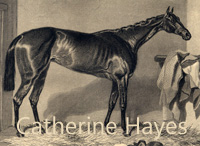 Catherine Hayes (GB) 1853 Oaks Stakes |
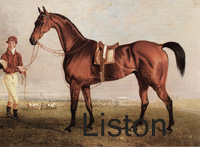 Liston (GB) 1827, 1828, 1829 Oxfordshire Stakes |
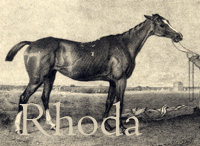 Rhoda (GB) 1816 One Thousand Guineas Stakes |
|
|
||